
Geopolitical Ethics

If you want to see how relationship based ethics work, look at US foreign policy.
We have always been told that US foreign policy is principle based: spreading democracy. And we’ve bought it; stupid us.
If chaos can be considered a principle, the US is doing that quite well. But it’s not chaos for chaos’s sake, it’s chaos to weaken and discombobulate other countries, and by comparison make the US stronger. That is relationship based ethics.
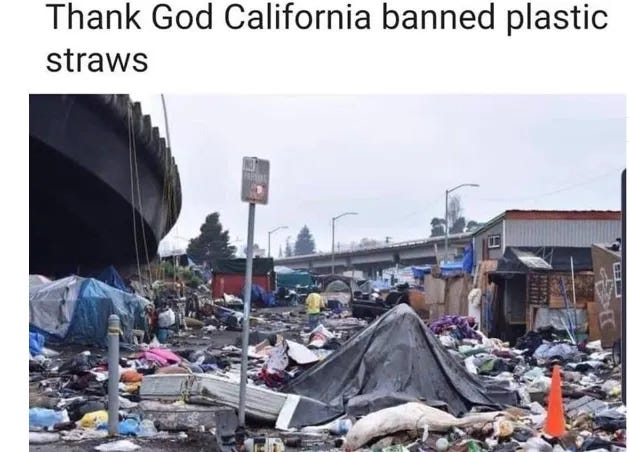
But now the US is becoming incredibly weak. Widespread systemic gaslighting, obfuscation, and deceit, unserviceable debt, unsustainable spending, fractured international relationships, massive illegal immigration resulting from the instability the US has created, and a near complete loss of moral authority. (Yes this is an incomplete list.)
The targets (almost everyone, including allies) don’t need to become stronger as we become weaker. We just have to become broadly vulnerable. And when those opportunities for karma develop, the US will be in a “world of hurt”. To use a cliche, “the bigger they are, the harder they fall”.
If you want to get an idea of what the US is likely to resemble after our fall, look at India. Ostensibly, it’s the world’s largest democracy. In reality, it’s “a thousand little fiefdoms” connected by a rail system.
And that seems to be the natural order of human governance: consolidate, disintegrate, consolidate, disintegrate… By my reading of events, we are on the cusp of a widespread, global disintegration of governance. Will it take 10 years? 20? 50? I’m not sure. I wish I could return in 250 years to see what the world looks like.